
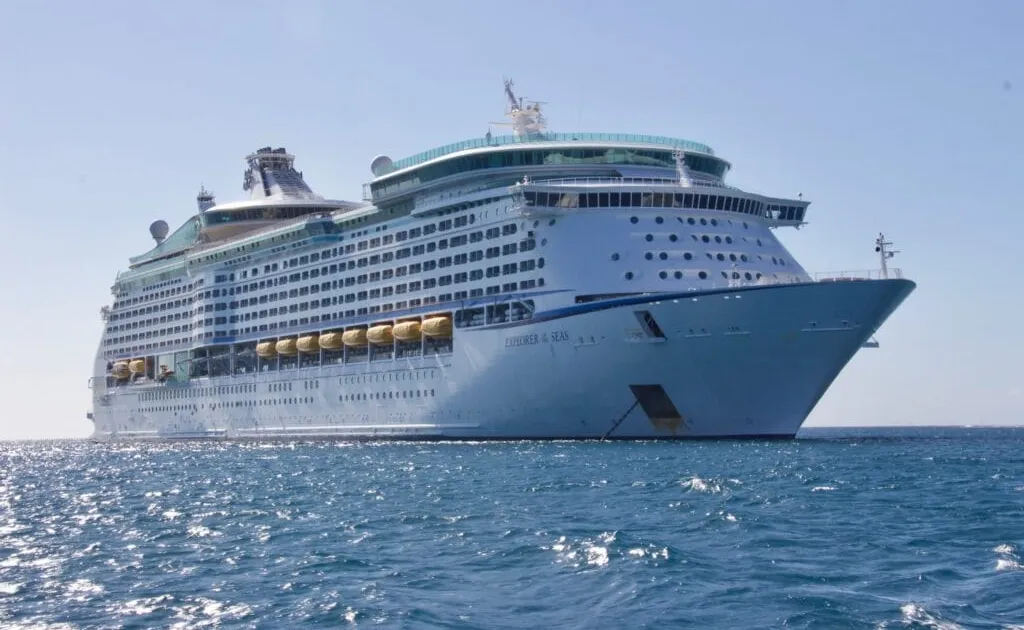
A 7-night Caribbean cruise can cost $599 per person or $4,200 per person for the same week, on the same ship, leaving the same port. The difference isn’t always the cabin. Sometimes it’s the booking date, sometimes the season, sometimes whether you bought the drink package, and sometimes a quiet promotion most travelers never see.
Cruise pricing is one of the most opaque corners of travel, and that’s by design. The cruise lines make most of their money on what happens after you board, so the headline fare is intentionally aggressive. The real cost is hidden in port fees, gratuities, drink packages, Wi-Fi, specialty dining, shore excursions, and the casino. Knowing where the levers are makes the difference between a $1,200 trip and a $3,500 trip for the same actual experience.
Here’s what we’ve learned from a few years of booking cruises, watching prices, and talking to people who book them for a living.
Book at the Right Time, Not Just Early
The conventional advice is “book early.” The honest advice is more specific: book during wave season (January through March), when cruise lines launch the most aggressive promotions of the year, including onboard credits, free drink packages, reduced deposits, and kids-sail-free deals. This is when the next year’s inventory opens up and the lines compete hardest for early bookings.
The other window worth watching: 60-90 days before sail, especially for cruises that aren’t selling out. Cruise lines would rather sell a cabin at half price than let it sail empty, so unsold inventory gets discounted heavily as the date approaches. Last-minute deals have become harder to find since the post-2022 cruise demand surge, but they still happen, especially on longer or less popular itineraries.
What to avoid: booking 4-9 months out without a specific promotion. That’s the dead zone. Wave season has passed, the late discounts haven’t kicked in yet, and you’ll often pay close to peak prices.
The Shoulder Season Discount Is Real
Pricing follows demand, and cruise demand is wildly seasonal. The exact timing varies by region, but the pattern is consistent.
| Region | Peak (avoid) | Shoulder (book) | Off-season (cheapest) |
|---|---|---|---|
| Caribbean | Dec–March, Spring Break | April–May, Sept–Nov | Late August, hurricane risk |
| Alaska | June–August | May, late September | Cruise season closes Oct |
| Mediterranean | June–August | April–May, Sept–Oct | Nov–March (limited sailings) |
| Northern Europe | June–August | May, September | Off-season closed |
Shoulder season cruises are routinely 30-50% cheaper than the same itinerary at peak. The weather is often nearly identical (Caribbean in May feels like Caribbean in March, just with fewer crowds), and you avoid school-vacation pricing.
The off-season risk for the Caribbean is hurricane season, especially August and September. If you’re flexible and willing to accept that your itinerary might change due to weather, the prices are genuinely the lowest of the year. Just make sure your cruise insurance covers itinerary changes.
Repositioning Cruises Are the Best-Kept Secret
A few times a year, cruise ships move between regions, like from the Mediterranean back to the Caribbean for winter, or from Alaska down to the West Coast at the end of the season. These repositioning cruises sell at deep discounts because they’re long (10-15 days), they have a lot of sea days, and they often end at a port that’s not where most passengers want to be.
We’ve seen 14-night transatlantic crossings on premium lines like Holland America, Celebrity, and Princess priced at $599-$899 per person, which works out to roughly $50-65 per night including the cabin and all your meals. That’s cheaper than most chain hotels, and you’re on a cruise ship for two weeks.
The catch: you’ll have a lot of sea days, the ports of call are usually fewer, and you’ll need a one-way flight home. But if you have flexible time and like the idea of slow travel, these are some of the best value in the entire travel industry.
Inside Cabins Are Underrated
Balcony cabins look great on Instagram. Inside cabins are often half the price for the same trip. The math is brutal: on a 7-night Caribbean cruise, a balcony might run $1,800 per person while an inside cabin on the same ship runs $899 per person. That’s $1,800 saved for a couple, just for not having a window.
Here’s the part nobody tells you: most people on cruises spend almost no time in their cabin. You’re at the pool, on the lido deck, eating dinner, watching shows, in the casino, or in port. The cabin is where you sleep. A view from a window matters less than the price tag suggests, especially on Caribbean and Mediterranean itineraries where you’re outside on the ship most of the day anyway.
Where balcony cabins genuinely earn their price: Alaska, Norwegian fjords, and any cruise where the scenery from the ship is the point. On those trips, paying for the balcony is worth it. On a Caribbean party cruise, you’re throwing money away.
If you want a small upgrade without the balcony price, consider an oceanview cabin with a fixed window. Usually $200-400 more than an inside cabin, much less than a balcony, and you get natural light during the day.
The Drink Package Math (Run It Before You Buy)
This is where cruise lines make a fortune off bad math. The unlimited drink package on a major line costs around $80-110 per person, per day, which means a 7-night cruise comes out to $560-770 per person just for drinks. For a couple, that’s an extra $1,200-1,500 added to the trip.
The break-even point is genuinely high. To get your money’s worth, you need to drink roughly 7-9 alcoholic drinks per day, every day. That’s not a vacation. That’s a medical episode.
Run the actual numbers before you click yes:
- Will you drink coffee? Most ships include drip coffee free; only specialty drinks are extra ($5-7 each)
- Will you drink soda or specialty juices? Some lines include these; others don’t
- How many cocktails per day are realistic for you? (Be honest, not aspirational)
- Are you cruising with kids who’d benefit from the soda/juice portion?
For most cruisers, paying per drink ($10-15 per cocktail) ends up cheaper than the unlimited package. The exception is heavy drinkers and travelers who want zero friction at the bar. For everyone else, the math doesn’t work.
Worth knowing: cruise lines often run “free drink package” promotions during wave season as one of their bundled perks. If you can stack a free drink package onto an already-discounted fare, it changes the calculation entirely.
Departure Ports Make a Bigger Difference Than You Think
Most cruisers default to whatever port is closest to home. The same cruise line, the same itinerary, leaving from a different port can be hundreds of dollars cheaper.
Caribbean cruises out of Galveston, TX and New Orleans, LA tend to be cheaper than the same cruises out of Miami or Fort Lauderdale, sometimes by $200-400 per person. The trade-off is a longer flight or drive, but if your savings outweigh the airfare difference, you come out ahead.
Alaska cruises out of Vancouver, BC are often cheaper than the same itineraries out of Seattle, partly because the Vancouver routes can include Glacier Bay (a higher-end stop) and partly because of lower port fees.
The trick: pull up the same week, same line, same itinerary across two or three ports and compare total cost including airfare. Tools like Google Flights plus the cruise line’s own booking engine make this a 15-minute check that can save real money.
Use a Cruise Travel Agent (Yes, Really)
This sounds outdated, but cruise-specialized travel agents are one of the few corners of travel where agents still genuinely add value. Many agents have access to group rates that aren’t published online, can stack additional onboard credits, and know which sailings are running quiet promotions that haven’t hit the public site yet.
The best part: their service is free to the customer. Cruise lines pay agents commission, so you’re not paying extra to use one. We’ve used agents from companies like CruiseCompete (a quote-aggregator) and individual agents at established agencies, and the price is almost always the same as booking direct, with extra perks layered on top.
The exception: if you’re booking a basic, low-priced sailing during a promotion you already found yourself, going direct is fine. Agents shine on bigger trips and on lines where group inventory exists.
Avoid the Onboard Spending Traps
Once you’re on the ship, the cruise line wants every dollar back. Here’s where most cruisers leak money:
Specialty restaurants. Charging $35-65 per person on top of an all-inclusive cruise that already includes free dining. Some are genuinely good, but treat them as a once-or-twice splurge, not a nightly thing.
Shore excursions booked through the cruise line. A snorkel trip booked through Royal Caribbean might cost $189. The same trip from the same operator booked locally is often $60-80. The cruise-line markup is steep. Use sites like Viator or Shore Excursions Group to compare, or book directly with the local operator if you’re comfortable doing your own research.
Photo packages. Cruise photographers will take pictures all week and try to sell you a $300 photo book at the end. Skip it. Your phone takes great photos.
Casino, bingo, art auctions. All built to extract money. The art “auctions” in particular are notorious for being heavily marked up. Treat any onboard activity that involves spending money as if you’re at a Vegas casino, because the economics are basically the same.
Wi-Fi. Often $20-30/day. If you’re going to need it (or you have a teen who needs it), buy it on day one when the introductory pricing is best. If you can survive without it, save the money. Most ports have free Wi-Fi at restaurants and bars.
Repeat Cruisers Get Real Discounts
If you’ve cruised on a line before, your loyalty program tier matters. Royal Caribbean’s Crown & Anchor, Carnival’s VIFP, Norwegian’s Latitudes, and Princess’s Captain’s Circle all offer discounts, free internet minutes, complimentary drinks, and category upgrades for repeat passengers.
The benefits compound. A second-tier loyalty member on Royal Caribbean might get a $25 onboard credit and a free internet day. By the third or fourth cruise, the perks scale to free dining, drinks, and meaningful cabin upgrades.
If you’re going to cruise once a year or more, sticking with one line and stacking the loyalty perks usually beats chasing the cheapest first-time deal across different brands. The exception is when a competitor’s first-cruise promotion is dramatically better than your loyalty discount, in which case go for it.
Final Math
The cheap cruise is the one where you book in shoulder season, take a non-balcony cabin if the destination doesn’t justify it, leave from a less-popular port, skip the drink package, do shore excursions independently, and stack a wave-season promo with a cruise-agent perk.
That’s not a sad cruise. That’s the same cruise everyone else is on, you just paid 40% less. The ship doesn’t know what cabin you booked when you’re at the pool. The buffet doesn’t taste different based on what you paid. And the destination is the same regardless of how much you spent to get there.
Cruise lines count on most passengers paying full retail and stacking extras without thinking about the math. Once you’ve done it once with the math in mind, it’s hard to go back.