
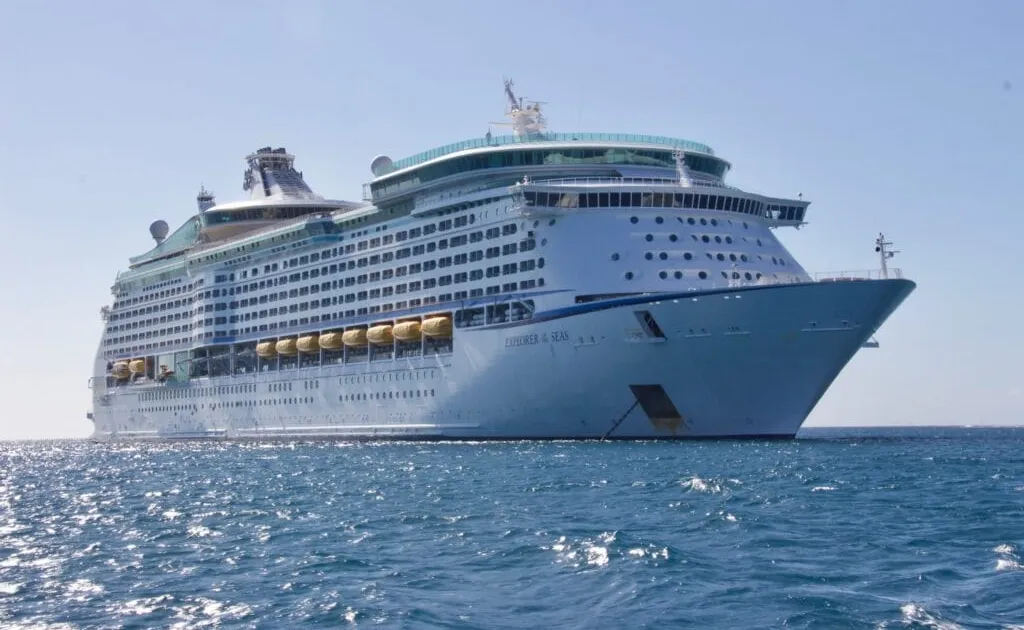
Stand at a hotel front desk in Santorini in July and you’ll get quoted around $450 a night for a room with a caldera view, before you’ve eaten a single meal. Now picture a balcony cabin gliding into that same caldera at sunrise, your breakfast already paid for, your bed moving with you to the next island while you sleep. The cruise version of that trip can run less per day than the hotel room, and that gap is the whole reason we keep coming back to cruising.
A cruise bundles your lodging, food, transportation between cities, and most of your entertainment into one fare. For a lot of trips, that bundle is the single cheapest way to see expensive places. The catch is that cruise lines make their real money after you board, so the headline fare is only half the story. Get the destination, the season, and the extras right and a “luxury” cruise costs about what a mid-range road trip does.
How we picked these ten
We weighted three things. First, departure access for US travelers, because a $700 fare loses its shine when the flight to the port costs $1,800. Second, season, since the same itinerary can swing 40% in price depending on the month. Third, value, meaning what you actually get for the money once the gratuities and excursions are added in.
None of these are “splurge or skip” picks. Every one of them can be done reasonably if you sail at the right time and don’t fall for the onboard upsells. Let’s go region by region.
1. The Mediterranean
This is the one most people picture, and for good reason. A single week can drop you in Rome, Athens, Santorini, and Mykonos without ever repacking a bag. You get the ruins, the white-and-blue island towns, the food. The ship handles the logistics that make independent Mediterranean travel exhausting.
Fares peak hard in July and August, which is also when the islands are sweltering and packed. Sail in late April through May or September into October instead. We’ve seen the same 7-night Italy-and-Greece itinerary run around $700 per person in May versus $1,300 in August, on the same ship.
What to watch for: Mediterranean ports often dump you a shuttle ride away from the actual city, and the cruise line’s transfer can be $25 each way. Check whether public transit or a cheap taxi pool gets you there first.
2. The Caribbean
If it’s your first cruise, start here. The Caribbean is the best-value entry point in the business because the ships are huge, the competition is brutal, and the short flights to Florida or Texas keep your total cost down. Routes split three ways:
- Eastern (St. Thomas, San Juan, St. Maarten): beaches and duty-free shopping, the most popular and usually the cheapest.
- Western (Cozumel, Roatan, Grand Cayman, Belize): better for snorkeling, ruins, and diving.
- Southern (Aruba, Curacao, Bonaire): drier, lower hurricane risk, but a longer flight to the departure port.
A 7-night Caribbean sailing can start near $599 per person in shoulder months. Leave from Galveston or New Orleans instead of Miami and you’ll often shave $200 to $400 off.
The catch is hurricane season, roughly August through October. Prices are lowest then for a reason, so only book it with insurance that covers itinerary changes.
3. Alaska
Alaska is the trip where paying up for a balcony actually makes sense, because the scenery is the entire point. You’ll watch glaciers calve into the water and spot whales and bald eagles from your own cabin. Most sailings run mid-May through September out of Seattle or Vancouver.
The pricing sweet spot is the shoulder weeks: early-to-mid May and late September. Peak summer balcony cabins can run $1,800-plus per person, while a May sailing on the same ship might land closer to $900. The weather’s a bit cooler and you trade a little daylight, but you keep a thousand dollars.
What to watch for: shore excursions in Alaska are where budgets explode. A helicopter-and-glacier landing booked through the line runs $400 to $600 per person. Stunning, but know that going in.
4. Norwegian Fjords
Sail into a fjord like Geiranger and the cliffs go straight up out of the water with waterfalls running down them. It’s the kind of view that makes the balcony upgrade worth it, same as Alaska. Season runs May through September, with long summer daylight peaking around June.
Budget more here than you would for the Caribbean. Norway is expensive on land, so anything you buy in port (a beer, a quick lunch, a taxi) stings. A 7-night fjords cruise typically runs $1,000 to $1,600 per person depending on month, and you’ll want maybe $50 to $100 a day on top for port spending if you wander off the ship.
The move that saves real money: eat the meals already included onboard and treat port stops as sightseeing, not dining, unless a specific meal is the experience you came for.
5. The Baltic and Northern Europe
A Baltic cruise threads together cities that are a pain to connect on your own: Copenhagen, Stockholm, Helsinki, and Tallinn, whose medieval old town is one of the best-preserved in Europe. One important update, since older guides get this wrong: itineraries no longer call on St. Petersburg. After 2022, the lines dropped Russian ports, so modern Baltic sailings lean harder into Scandinavia and the Baltic states instead.
Season is short, basically June through August, which keeps fares firm. Expect roughly $1,100 to $1,800 per person for a week. The late-August sailings tend to be the softest on price as the season winds down.
Watch for the same Northern Europe trap as Norway: port-day spending adds up fast in Scandinavian cities, so plan free walking routes over paid tours where you can.
6. French Polynesia
This is the overwater-bungalow fantasy, Bora Bora and Tahiti and lagoons so clear they look fake. It’s also the priciest pick on this list, mostly because getting to the South Pacific is expensive on its own.
The smart way to do it without overpaying: book a cabin on a ship like the Paul Gauguin, which sails the islands year-round, rather than chasing land-based overwater resorts that run $1,000-plus a night. A cruise here still isn’t cheap, often $3,000 to $5,000 per person for a week, but it bundles the lodging, food, and island-hopping that would each cost a fortune separately.
The catch is the flight. Look for fares into Papeete well in advance, and if you’ve been banking travel points, this is the trip to burn them on.
7. South America
A South America cruise swings from the beaches of Rio de Janeiro down toward the glaciers and fjords of Patagonia and, on longer sailings, around Cape Horn. It’s a long way from “relaxing beach week,” and that’s the appeal.
Timing is the opposite of the northern hemisphere. The season runs the southern summer, roughly November through March, with January and February the warmest in the far south. That also overlaps Rio’s Carnival in late February, which spikes both demand and prices, so sail the shoulder weeks around it if Carnival isn’t the goal.
What to watch for: these itineraries often have long stretches at sea and one-way routes, so factor a separate flight home into the math.
8. Egypt and the Nile
Egypt is where the river-versus-ocean distinction matters most. An ocean cruise stops at a Red Sea or Mediterranean port and buses you inland for a long day at the pyramids. A river cruise on the Nile is the actual experience: a small ship of maybe 40 to 150 passengers sailing between Luxor and Aswan, docking right at the temples.
If the antiquities are why you’re going, the river cruise wins, full stop. It costs more per day than a mega-ship (often $200 to $400 per person, per day all-in), but the included guided tours and the docking-at-the-door access are worth it. Ocean cruises that merely tack Egypt onto a Mediterranean route give you a rushed single day.
Watch for the airfare and the timing: visit October through April to avoid brutal heat, and confirm current entry and visa requirements before you book.
9. Japan
Japan does two postcard seasons. Cherry-blossom sailings cluster in late March and April; fall-foliage sailings run October into November. Both book up early because the timing is the whole draw. Ports give you Tokyo, Kyoto (via Osaka or Kobe), and smaller stops like Nagasaki and Hiroshima.
The yen has been weak against the dollar for a while now, which makes on-the-ground spending in Japan genuinely cheap compared to a few years ago, though exchange rates move, so check before you assume. A week-long Japan cruise often runs $1,200 to $2,000 per person. The blossom-season premium is real, so if you’re flexible, fall foliage gives you a similar payoff for a little less.
What to watch for: cherry-blossom timing is a gamble. Peak bloom shifts a week or two year to year, and a cruise date is locked months ahead, so you might catch it perfectly or just miss it.
10. Singapore and Southeast Asia
Singapore is the cleanest, easiest launch point for Asia, a city that’s a destination in its own right and a hub for itineraries to Thailand, Vietnam, and Malaysia. The food alone (hawker centers where a great meal costs a few dollars) justifies a couple of days before you sail.
Sail the dry season, roughly November through March, to dodge the heaviest monsoon weather. Regional fares are reasonable, often $700 to $1,400 per person for a week, but the long-haul flight is the budget driver here, same as French Polynesia and Japan.
Watch for the heat and humidity year-round, and build in a buffer day before the cruise in case a long international flight runs late.
How to actually save money on these cruises
The destination sets the ceiling on cost; your booking habits set the floor. A few levers do most of the work.
Book during wave season, the January-through-March stretch when lines roll out their best promotions: onboard credit, free drink packages, reduced deposits, kids-sail-free. Watch the 60-to-90-day window before sailing too, when unsold cabins on weaker sailings get discounted rather than left empty.
Repositioning cruises are the quiet bargain. When ships move between regions (Mediterranean to Caribbean for winter, say), they sell long, sea-heavy crossings cheap, sometimes $50 to $65 a night including the cabin and all meals. You trade fewer ports and a one-way flight home for the lowest per-night cost in travel.
Pay with a travel-rewards credit card that earns bonus points on the booking and waives foreign transaction fees for those port-day purchases. If you’re trying to figure out which card earns the most for this kind of trip, our best points and miles credit cards breakdown walks through the trade-offs. Just remember that signup bonuses and rates shift constantly, so confirm the current offer on the issuer’s official page before you apply.
What a cruise really costs in 2026
The fare is the bait. Here’s roughly where the rest of the money goes on a typical 7-night sailing, per person:
| Expense | Typical 2026 range | Notes |
|---|---|---|
| Base fare (inside cabin, shoulder season) | $599–$1,200 | Lower for Caribbean, higher for Europe/Asia |
| Gratuities | $112–$140 | About $16–$20/day, often auto-added |
| Drink package (optional) | $560–$770 | Only worth it if you drink a lot |
| Wi-Fi | $140–$210 | $20–$30/day; buy day one for best rate |
| Shore excursions | $200–$600+ | Far cheaper booked independently |
| Specialty dining (optional) | $35–$65 each | The included food is already free |
Add it up and a “$599” cruise is realistically a $1,100 to $1,400 trip once gratuities, a bit of Wi-Fi, and a couple of excursions land. That’s still a strong deal for a week of lodging, food, and transport across multiple cities, as long as you go in knowing the extras exist. We get deeper into trimming each of these in our guide to saving on cruises without booking the worst cabin.
FAQ
Are cruises good for families? Yes, and this is one area where the big lines genuinely deliver. Royal Caribbean, Carnival, Disney, and Norwegian run real kids’ clubs, pools, and activities, and the included food means no fighting over restaurant bills three times a day. Look for wave-season “kids sail free” promos to cut the per-head cost.
When’s the best time to go? Shoulder season for whatever region you pick. The pattern repeats: skip July and August in Europe and summer peak in the Caribbean, and sail the weeks just before or after instead for 30% to 50% off similar weather.
How eco-friendly is cruising, really? It’s improving but still imperfect. Newer ships run on cleaner LNG fuel, use shore power in port, and have cut single-use plastics, but a large ship still carries a meaningful footprint. Smaller and newer vessels tend to be the better choice if this matters to you.
How should I budget? Take the fare, then add roughly 50% to 80% for gratuities, a bit of Wi-Fi, and a couple of excursions. Decide up front whether the drink package math works for you, because it usually doesn’t unless you’re drinking seven-plus cocktails a day.
Can I stay connected onboard? A lot more than you could a few years ago. Most major lines now run SpaceX’s Starlink, which made onboard internet genuinely usable for streaming and video calls. It still costs $20 to $30 a day, so buy it on day one when the introductory rate is best, or lean on free Wi-Fi in port to skip it.
Where to start
If you’ve never cruised, book a shoulder-season Caribbean week out of Galveston or New Orleans, take an inside cabin, skip the drink package, and book your excursions independently. You’ll spend a week in the islands for close to what a long domestic beach weekend costs, and you’ll learn how the pricing game works before you book something pricier like the Mediterranean or Japan.
The dreamy part of these destinations doesn’t depend on what you paid to get there. Santorini looks the same from a balcony you booked in May as it does from one you overpaid for in August.