
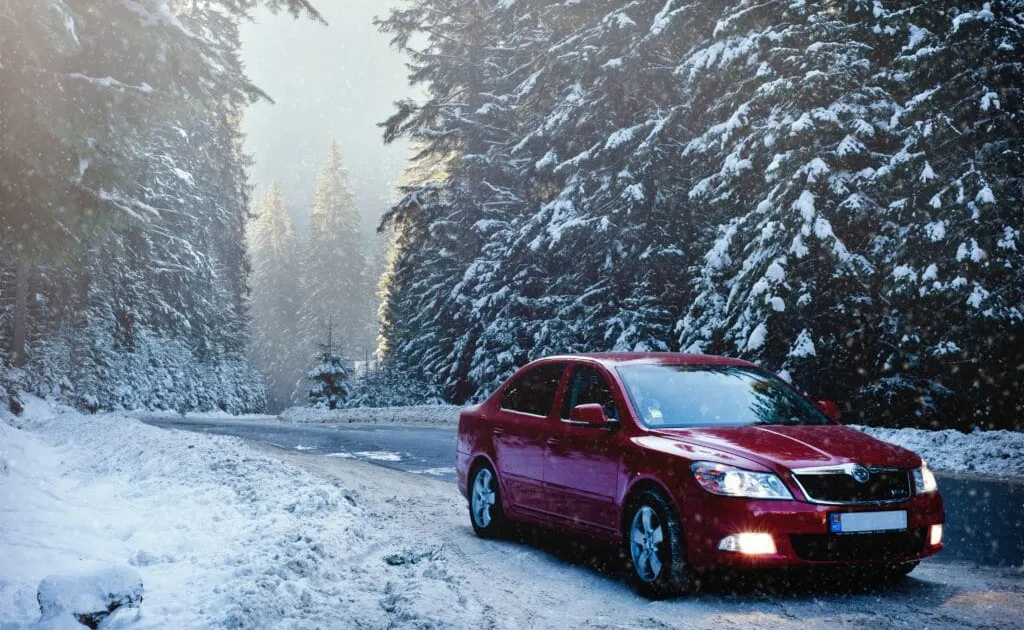
We watched a friend almost sign for a RAV4 at $3,200 over MSRP last month because the dealer told her “everyone’s paying market adjustment.” She walked, drove 40 minutes to a second store, and got the same trim at sticker plus a $750 manufacturer rebate. Same week, same vehicle, roughly $4,000 apart.
That gap is the whole game with SUVs. They’re the most-shopped category in the country, which means dealers know you want one and price accordingly. The good news is that the discounts are real if you know where they hide and when they show up.
Here’s how we’d approach an SUV purchase right now, from finding the deal to not getting buried in the financing office.
Why SUVs Stay in Demand in 2026 (and What’s Driving Deals)
SUVs and crossovers make up a little over half of new vehicles sold in the U.S., and that hasn’t slowed down. People like the higher seating, the cargo room, and the all-wheel-drive option. Older buyers especially like that you sort of step into them instead of dropping down into a sedan.
High demand usually means weak discounts. But 2026 has a wrinkle working in your favor: inventory has recovered hard from the shortage years. Lots are full again, manufacturers are bringing back incentives they yanked in 2021 and 2022, and the days of universal “market adjustment” markups are mostly over on mainstream models.
The catch is that the deals are uneven. A redesigned model that’s selling itself won’t get touched, while the outgoing version of that same SUV, or a slow-selling trim, can carry thousands in rebates. Your job is finding the spots where supply outruns demand.
When to Buy: The Best Times of Year for SUV Discounts and Clearance
Timing moves the price more than almost any negotiation trick. The patterns here line up with the broader sales calendar we wrote about in the best time to buy everything, and cars follow them closely.
- End of the model year (August through October). When the new model year arrives, dealers need the old ones gone. Outgoing-year SUVs often get the deepest manufacturer rebates of the year.
- End of the calendar year (late December). Salespeople chase monthly, quarterly, and annual bonuses all at once. The last week of December is genuinely one of the best buying windows.
- End of any month or quarter. Sales targets create urgency on the dealer’s side, not yours. Use it.
- Holiday weekends. Memorial Day, Labor Day, and Black Friday bring advertised incentives, though the “doorbuster” units are usually limited.
One honest note: end-of-model-year buying means you’re purchasing a vehicle that’s technically a year older the moment a new one lands, so it depreciates a hair faster on paper. For most people keeping the car 6+ years, that trade is worth the upfront savings.
Where to Find SUV Deals: Online Marketplaces and Tools Compared
Start online, always. Walking into one dealership blind is how you end up paying that friend’s $3,200 markup. Pull up real listings, real prices, and a sense of what the market actually charges before you talk to anyone.
| Tool | Best for | What to watch for |
|---|---|---|
| Cars.com | Wide inventory, price-drop history, dealer reviews | Listings can go stale; confirm availability |
| AutoTrader | Big new + used selection, side-by-side compare | Some “low” prices exclude required fees |
| CarGurus | “Great Deal” rating vs. market average | The rating ignores your local tax/fees |
| TrueCar | What others actually paid in your area | Network pricing isn’t always the floor |
| Carvana | No-haggle online buying, home delivery | Convenience premium; inspect on the 7-day return |
| Costco Auto Program | Pre-negotiated member pricing, no haggling | You’re locked to participating dealers only |
The smart move is to use two or three of these together. Get a TrueCar or CarGurus read on fair market price, then take a Costco Auto quote and make a nearby dealer beat it. Online no-haggle services like Carvana set a useful price ceiling: if a dealer can’t match Carvana on a comparable used SUV, you have a clean fallback.
Skip eBay Motors and random Facebook Marketplace listings for anything expensive unless you genuinely know what you’re inspecting. The deal-of-a-lifetime private listing is occasionally real and frequently a flood-title car.
New vs. Certified Pre-Owned vs. Used: Which Saves You the Most
The biggest dollars live in this decision. A new SUV loses roughly 20% of its value the first year and around 40% within three. Letting someone else eat that drop is the single most effective way to spend less on the same vehicle.
Certified pre-owned (CPO) is the middle path a lot of buyers land on. You get a 2-to-4-year-old SUV that’s been inspected and backed by a manufacturer-extended warranty, for meaningfully less than new. A CPO Honda or Toyota crossover often costs $5,000 to $9,000 less than its new equivalent while still feeling nearly new.
Straight used (non-certified) is cheapest of all, but you’re trading the warranty safety net for the savings. If you go this route, budget for an independent pre-purchase inspection, usually $100 to $200, before you buy. On a $25,000 SUV that’s cheap insurance against a transmission you can’t see.
Buy new only when the incentives are unusually strong (low-APR financing plus a fat rebate can erase the new-car premium) or when the model you want barely existed two years ago.
Top SUVs to Watch in 2026
These four show up on most reliable-and-holds-value lists for a reason. Pricing below is a rough 2026 range for a new, mainstream trim and drifts by region and incentive, so treat it as a starting point, not a quote.
| Model | Typical new price (mid trim) | Strength | Best for |
|---|---|---|---|
| Toyota RAV4 | ~$32,000–$38,000 | Reliability, resale, hybrid option | People keeping a car 8+ years |
| Honda CR-V | ~$33,000–$39,000 | Roomy interior, smooth ride | Families wanting space without bulk |
| Ford Explorer | ~$40,000–$48,000 | Power, three rows, tech | Bigger families and towing |
| Subaru Forester | ~$30,000–$36,000 | Standard AWD, safety, visibility | Snow, dirt roads, outdoorsy drivers |
The RAV4 and CR-V are the safe money. They hold value so well that the used and CPO versions stay pricey, which is the annoying flip side of buying something reliable. The Forester is the value pick if you want all-wheel drive standard without paying Toyota’s resale premium. The Explorer costs more to buy and run, so only go there if you actually need the third row or the towing.
Buying vs. Leasing an SUV: Costs, Mileage Limits, and Trade-Offs
Leasing gets you a lower monthly payment and a new SUV every few years. That’s the appeal, and it’s a real one if you like driving something current and you don’t rack up huge mileage.
The trade-off is that you own nothing at the end. A typical lease runs 24 to 36 months with a 10,000-to-12,000-mile annual cap, and overage fees run about $0.15 to $0.30 per mile. Drive 5,000 miles over on a 3-year lease and you could hand back a bill near $1,000 to $1,500. Wear-and-tear charges for dings and worn tires stack on top.
Buying costs more per month but the payments end. Keep the SUV a few years past the loan and those payment-free years are where the real savings sit. For most families who drive normal mileage and hold cars a long time, buying wins on total cost. Lease if low payments and frequent upgrades matter more to you than long-run dollars, and if your annual mileage genuinely fits under the cap.
How to Read and Negotiate a Lease
A lease quote is designed to be confusing so you focus only on the monthly number. Don’t. Three figures actually decide whether it’s a good deal:
- Capitalized cost (cap cost): the negotiated price of the SUV. This is negotiable exactly like a purchase price, and lowering it lowers your payment.
- Money factor: the lease version of an interest rate. Multiply it by 2,400 to get the rough APR. A money factor of 0.00125 is about 3% APR; if yours converts to something high, push back or shop elsewhere.
- Residual value: what the leasing company says the SUV is worth at lease end. Higher residual means lower payments, and you can’t negotiate it, but you can compare it across models.
One trap: a cap cost reduction is just a down payment on a lease. It lowers the monthly number, but if the car gets totaled early, you typically lose that cash. We’d rather negotiate a lower cap cost than pile money down. And always confirm the quoted money factor against the manufacturer’s current published lease programs, since promotional rates change month to month.
Financing Smart: Pre-Approval, APR, and Auto-Loan Refinancing
Get pre-approved before you set foot on a lot. A pre-approval from your bank, a credit union, or an online lender gives you a real rate to beat and takes away the dealer’s favorite bargaining chip. Credit unions in particular tend to undercut dealer financing.
Then let the dealer try to beat it. Dealer-arranged loans sometimes carry a markup the finance manager adds on top of your actual qualifying rate, so make them earn the business. If the manufacturer is running a genuine promotional APR (sometimes near 0% to 3.9% on specific models), do the math: a low rate plus a rebate can beat your bank, but a low rate instead of a rebate sometimes doesn’t.
Auto-loan rates move with the broader rate environment and have shifted around through 2025 and into 2026, so the exact APR you’ll see depends on your credit and the week. Confirm current rates with the lender directly before you commit. If rates fall later or your credit improves, refinancing the loan a year in can quietly trim your payment, and it’s worth a 20-minute check.
Hidden Costs to Budget For: Insurance, Fees, and Total Cost of Ownership
The sticker price is the beginning, not the end. SUVs cost more to insure and fuel than a compact car, and the fees at signing surprise almost everyone.
Watch for doc fees (often $100 to $700 depending on your state), destination charges, and the genuinely optional add-ons the finance office pushes: paint protection, fabric coatings, VIN etching. Most of those are pure margin. Decline them.
Then there’s the cost of just owning the thing:
- Insurance. A bigger, pricier SUV usually means a bigger premium. Get a quote before you buy, not after. If your annual mileage is low, pay-per-mile auto insurance can cut the bill.
- Fuel. A three-row Explorer drinks noticeably more than a RAV4 Hybrid. Over five years that difference runs into the thousands.
- Maintenance and tires. Bigger wheels mean pricier tires, and AWD systems add service items.
- Depreciation. It’s invisible until you sell, but it’s the single largest cost of ownership on most vehicles.
A new-car purchase shouldn’t be the thing that wipes out your safety net, either. If buying this SUV would drain your emergency fund, that’s a sign to look at a cheaper model or a CPO version, not a longer loan term.
Frequently Asked Questions About SUV Deals and Clearance
When is the absolute cheapest time to buy an SUV? The last week of December, when year-end, quarter-end, and month-end sales pressure all hit at once. End-of-model-year clearance (late summer into fall) is a close second for rebates on outgoing models.
Is certified pre-owned actually worth the extra cost over a regular used SUV? Usually yes, if you want peace of mind. The manufacturer-backed warranty and inspection justify the premium for most buyers. If you’d rather pay less and you’re comfortable getting an independent inspection, regular used saves the most.
Should I tell the dealer I’m paying cash? Not up front. Negotiate the out-the-door price first. Dealers sometimes make money on financing, so revealing a cash deal early can cost you negotiating room. Settle the price, then decide how you’re paying.
Are online no-haggle sites like Carvana cheaper than a dealer? Sometimes, but not always. Their strength is a fixed, transparent price and home delivery, which is worth a premium to some people. Use their quote as a ceiling and see if a local dealer will go lower.
How much can I realistically negotiate off an SUV? On a mainstream new SUV with normal incentives, a few hundred to a couple thousand off MSRP plus available rebates is typical. Hot, supply-constrained models barely move; slow sellers and outgoing-year units move a lot.
The single habit that saves the most money here isn’t a secret rebate code. It’s being willing to walk, the way our friend did, because there’s almost always another lot with the same SUV and a manager who’d rather sell it than watch it sit.