
Electricity runs just about everything in our daily routines. The coffee maker in the morning, the air conditioning all afternoon, the TV at night, and every phone charger and laptop in between. Most of us don’t think about it until the bill shows up and the number is higher than expected. Again.
We went through our own electricity usage a few months back and were genuinely surprised at where the money was going. Some of it was obvious. Some of it wasn’t. After making a handful of changes, nothing extreme, our bill dropped noticeably within the first month. We’re not talking about sitting in the dark or giving up hot showers. These are adjustments that most people can make without really feeling the difference, except on the bill itself.
Here’s what actually worked for us.
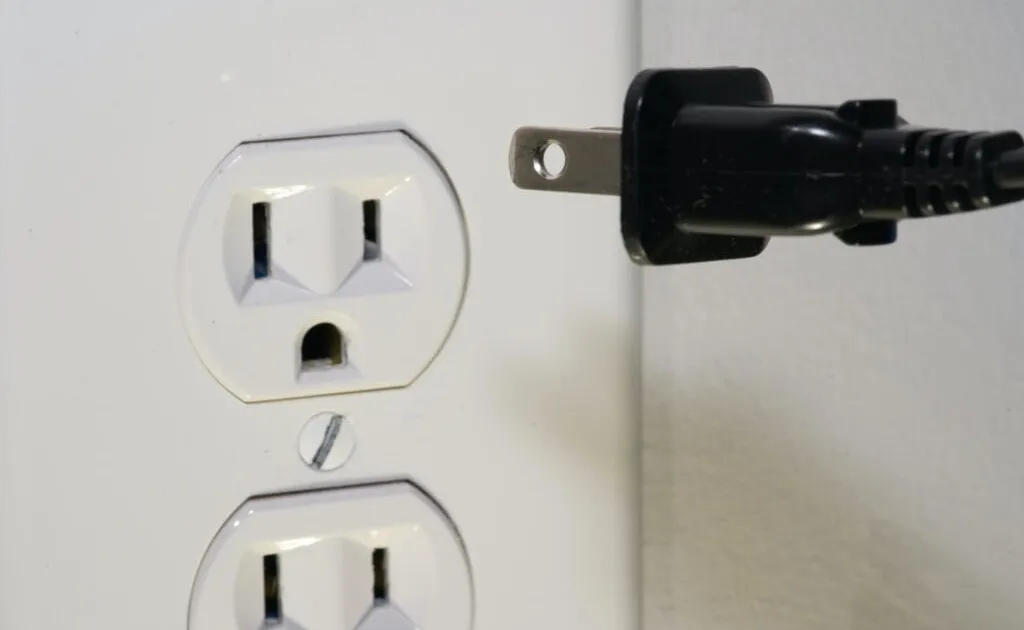
Unplug the Things You’re Not Using
This one sounds almost too simple, but it makes a real difference. Chargers, small kitchen appliances, game consoles, even your cable box: if they’re plugged in, they’re drawing power whether you’re using them or not. The industry calls it “phantom load” or “vampire energy,” and it can account for up to 10% of your monthly electricity cost.
We started unplugging our phone chargers, toaster, and coffee maker when they weren’t in use. The microwave stayed plugged in because we use the clock, but everything else got unplugged. The first month we did this consistently, we saw a small but measurable drop on the bill. Over a year, that’s real money.
The easiest way to manage this is with a power strip. Plug several devices into one strip and flip it off when you leave the room or go to bed. One switch kills the phantom draw on five or six devices at once.
Switch to LED Bulbs
If you haven’t done this yet, it’s one of the fastest paybacks you’ll find. LED bulbs use about 75% less energy than traditional incandescent bulbs and last roughly 25 times longer. We swapped out every bulb in the house over a weekend, and the lighting portion of our bill dropped almost immediately.
A pack of LED bulbs costs a few bucks at any hardware store. Each bulb pays for itself within a few months through energy savings, and then you’re just pocketing the difference for years. The light quality has gotten much better too. The early LEDs had that harsh, bluish look, but the current ones come in warm tones that look identical to incandescents.
If you’re only going to do one thing from this list, make it this one.
Get a Programmable Thermostat
Heating and cooling is where the big money goes. It’s typically the largest single item on most electricity bills, and the easiest place to make a meaningful cut.
A programmable thermostat lets you set different temperatures for different times of day. Drop the heat a few degrees while you’re sleeping, raise the AC threshold while you’re at work, and have it adjust automatically before you get home. You never notice the difference in comfort, but you’ll notice the savings.
The Department of Energy estimates that adjusting your thermostat by 7-10 degrees for 8 hours a day can save about 10% a year on heating and cooling. Some smart thermostats learn your patterns and optimize automatically. Even a basic programmable model from the hardware store will get you most of the way there for under $30.
Wash Your Clothes in Cold Water
About 90% of the energy your washing machine uses goes toward heating the water. Not running the drum, not the spin cycle, just heating the water. Switching to cold water cuts that energy usage dramatically.
We were skeptical about this one at first. Hot water cleans better, right? We tested it for a month. Regular everyday laundry, work clothes, towels, sheets. Everything came out just as clean. Modern detergents are specifically formulated to work well in cold water, so unless you’re dealing with oily stains or something that specifically needs hot water treatment, cold works fine.
The savings here are not small. If you’re running four or five loads a week, the difference in energy cost between hot and cold water adds up to a noticeable amount by the end of the year.
Air Dry When You Can
The dryer is one of the most energy-hungry appliances in any home. A single cycle uses somewhere between 2 and 5 kilowatt-hours depending on the model and load size. Over a month of regular use, that becomes significant.
We started hanging clothes on a drying rack indoors and on a clothesline outside when the weather cooperated. Not every load, we still use the dryer for things like towels and heavy items. But for shirts, lighter fabrics, and anything that dries quickly anyway, the rack works perfectly.
Cutting dryer use by even half can save around 50% of that appliance’s energy consumption. And there’s a side benefit: clothes last longer when they’re not being tumbled at high heat every week. Less wear, fewer replacements, more savings.
Seal Your Drafts
If air is leaking in around your windows and doors, your heating and cooling system is fighting a losing battle. It’s pumping conditioned air into your home and that air is escaping through gaps you might not even notice.
Weather stripping and caulking are cheap. A roll of weather stripping costs a few dollars and takes minutes to apply around a door frame. Caulk for window gaps is similarly inexpensive. We did the whole house in an afternoon.
The payoff depends on how leaky your home is. The Department of Energy estimates that sealing air leaks can save 10-20% on heating and cooling costs. If your home is older, the savings could be even higher. You can test for drafts by holding a lit candle near window edges and door frames on a windy day. If the flame flickers, you’ve found a leak.
Upgrade to Efficient Appliances (When It’s Time)
We’re not saying go out and replace everything in your kitchen tomorrow. But when an appliance does need replacing, paying attention to the Energy Star rating makes a real difference over the life of the product.
When our old refrigerator finally gave up, we replaced it with an Energy Star model. Refrigerators run 24 hours a day, 365 days a year, so efficiency matters more here than almost any other appliance. The new one uses roughly 40% less energy than the one it replaced. On the monthly bill, that showed up as a consistent reduction.
The same logic applies to dishwashers, washing machines, and especially air conditioning units. An efficient AC unit can reduce cooling costs by 20 to 40% compared to an older model. If your AC is more than 10 years old and you’re dreading every summer bill, the upgrade might pay for itself faster than you think.
Use Ceiling Fans Strategically
A ceiling fan costs about one cent per hour to run. An air conditioner costs somewhere between 10 and 50 cents per hour depending on the unit and your local electricity rates. The math is pretty clear.
We started using ceiling fans to circulate air and raised the thermostat by 4 degrees. The room felt the same. The bill didn’t. The fan creates a wind-chill effect that makes the air feel cooler on your skin without actually lowering the room temperature, which means your AC doesn’t have to work as hard.
One thing people forget: ceiling fans cool people, not rooms. If nobody’s in the room, turn the fan off. It’s not doing anything useful running in an empty space.
During winter, reverse the fan direction (most fans have a switch for this) to push warm air that’s collected near the ceiling back down into the living space. It’s a small thing, but it helps your heating system work more efficiently too.
The Bigger Picture
None of these changes require a major lifestyle overhaul. Most of them are things you set up once and then forget about. Swap the bulbs, program the thermostat, plug things into power strips, seal the drafts. After the initial effort, the savings just happen month after month.
We tracked our bill for six months after making these changes, and the cumulative savings were enough to notice. Not life-changing money, but the kind of consistent savings that compounds over years. And beyond the financial side, using less electricity means a smaller footprint. It’s one of those rare situations where what’s good for your wallet happens to be good for everything else too.
Start with the easy ones. LEDs and unplugging idle devices take five minutes. Build from there as it makes sense for your situation. The goal isn’t perfection. It’s just using less energy for the same comfort, and keeping more of your money where it belongs.